
Agricultural Plastics: Analyzing The Risks To Food Safety, Health, And The Environment By Way Of Soil Pollution By Microplastics


A recent study published in the journal Science of the Total Environment examined the uses, properties and potential hazards of agricultural plastics (AP).
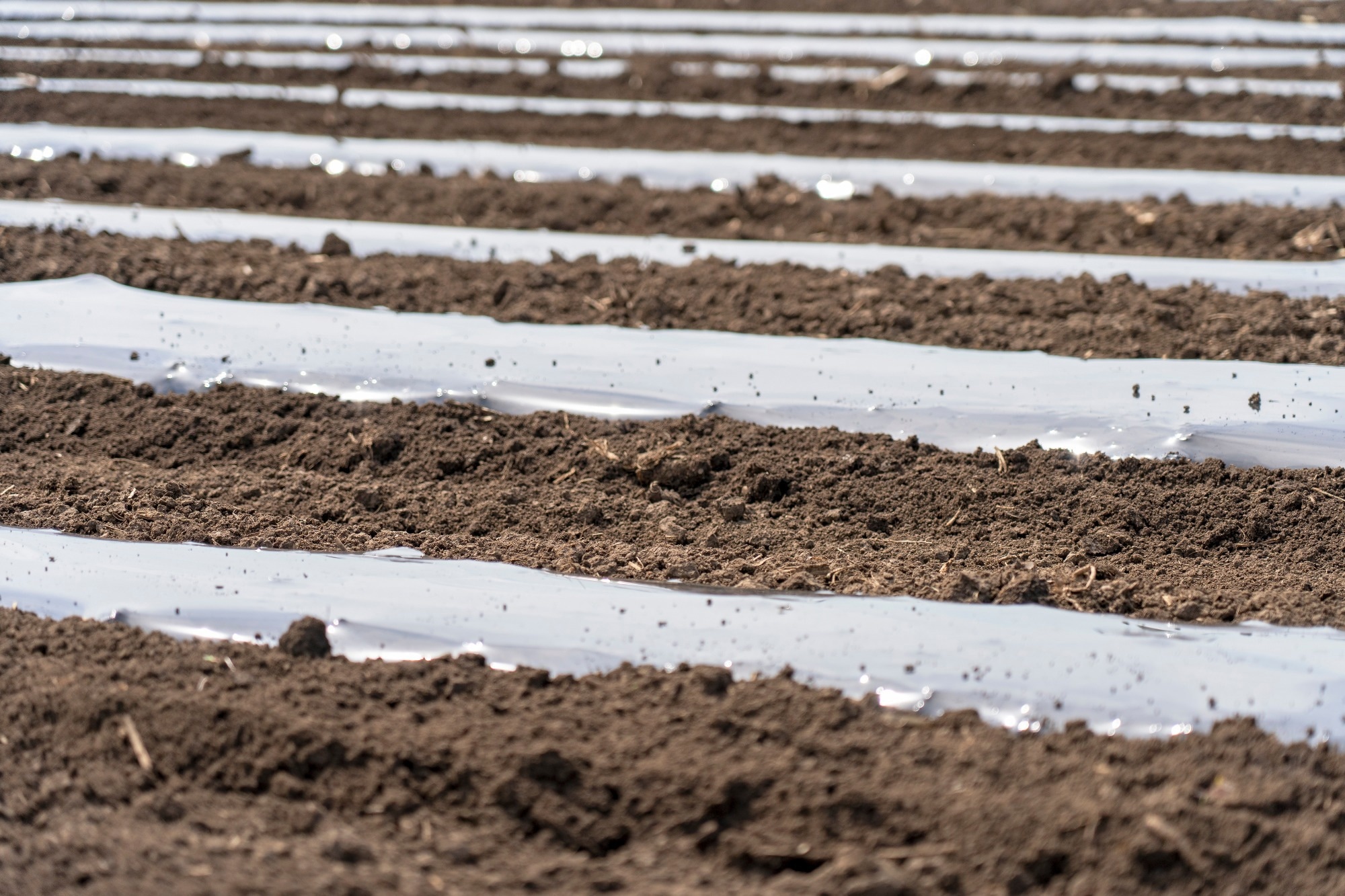 Research: Agricultural plastics as a potential risk to food safety, health, and the environment through microplastic soil contamination: identifying the problem . Image credit: RGtimeline/Shutterstock.com
Background
Global production of plastics was 367 million metric tons (Mt) in 2020, up from 1.5 million tons in 1950. The production and use of plastic has two disadvantages: contributing to greenhouse gas emissions and using post-consumer plastic products that contribute to marine pollution. .
Plastic is mostly thrown away or incinerated, the vast majority of plastic ends up in nature and only 9% is recycled.
Tackling plastic pollution requires banning single-use plastics, reducing production, controlling post-consumer plastic waste and implementing circular economy policies.
In this study, the authors analyzed the uses, properties, end-of-life (EOL) procedures, degradation of PAs, and the potential role of PAs in the formation of micro- and nanoplastics (MNP) in soil.
Common and biodegradable plastics in agriculture and animal husbandry
High tunnel and greenhouse films are mainly agricultural films for conservation cultivation. These are usually multi-layered plastic films made from polymer blends. These films are designed to withstand harsh environments, protect crops and provide an optimal microenvironment for plant growth.
The plastic cover protects the tender fruit from hail, snow, sunburn and rain. Mulch films form a large category of agricultural films and provide many benefits to agricultural or horticultural production, such as weed control, soil temperature control, reduced labor costs, and improved water distribution.
Also, various plastic products used in agriculture include irrigation pipes and tires, drainage pipes, safety nets, food nets, scissors, ropes, tree shelters, plants, nursery pots, fertilizer bags or sacks, polymer coated fertilizers. and controlled-release fertilizers, among others.
AP is mainly used in animal husbandry to preserve the nutritional value of feed including silage film, baling film, bale string, feed bag, ear plate and silo mesh. AP's major biodegradable products are mulch films, plant pots, ground covers, solar films, clippings, ropes, tapes, nets, fumigation films, ropes, coated seed polymers, fertilizer additives and agrochemicals.
AP Market Dynamics
Global plastic production increased steadily in 2016 and stabilized in 2020. In 2020, production was halted due to the coronavirus disease 2019 (COVID-19) pandemic, which negatively affected the dynamics of the AC market.
However, growth slowly recovered in 2021. An estimated 11.7 million tonnes (3.2%) of plastics were used in agriculture globally in 2021, with agricultural films accounting for 60% of the 'estimated'.
The global agricultural film market is expected to grow from USD 11.5 billion in 2021 to USD 15.7 billion by 2026. The market is dominated by developing countries in the Asia-Pacific region, followed by Europe and North America.
Global production capacity of biodegradable plastics was 1.55 million tons in 2021 and is expected to grow by 241% by 2026. Additionally, the international market for biodegradable coating films to grow at a CAGR of 8.5% during the period 2021-2026.
Role of PA in MNP formation
PPs are considered as a direct potential source of soil contamination by MNPs. Other indirect sources of MNPs may also contribute to soil contamination. Microplastics are plastic fragments, particles or fibers less than five millimeters in diameter. However, the definition of microplastics is inconsistent and not standardized.
Microplastic litter is a problem for marine and terrestrial environments and can occur at the EoL stage or at any stage of plastic use. In 2017, 3.2 million tonnes of microplastics were released into the environment, 40% of which was marine litter. Microplastic pollution is significantly higher in soil than in marine environments.
Additionally, 5% of microplastics are released into the atmosphere as secondary emissions come from agricultural land. During operation, nuclear power plants are exposed to extreme temperatures, snow, wind, hail, UV rays, mechanical and agrochemical stresses, and their cumulative effects lead to nuclear plant degradation.
PA processed products represent 36% of PA. However, it is unclear whether recyclable products are recyclable due to poor end-of-life management.
Risk of soil contamination by PAs to NPMs
The risk of soil contamination by plastics varies depending on the application and formulation of PP. Higher risks are associated with conventional disposable APs that come into direct contact with soil.
The authors adopted two previously published risk assessment criteria for environmental risk analysis of soil contamination by PAs and modified the three-dimensional (3D) pathway concept to include EoL disposal pathways.
Soil PA pathways include material degradation (agrochemical attack and photodegradation) or loss (primary degradation) and poor end-of-life management (landfill and incineration). These pathways contaminate the soil with plastic fragments and therefore lead to the formation of MNPs.
A breach in this chain would prevent soil contamination by MNPs. A serious consequence of biodegradable PAs in soil or in composting plants is their complete biodegradation and harmlessness.
Final remarks
The use of PAs is increasing dynamically, increasing sustainability, but is seen as a threat to health, environment and food security. Poor waste management practices are prevalent amid lagging legislation and infrastructure.
Solving the problem of soil pollution with PA-derived MNPs is not only based on eliminating residual plastic from soil, but also on an integrated approach to innovative PA product design, improved PA waste management, use of biodegradable PA, and biorecycling. need .
Tidak ada komentar untuk "Agricultural Plastics: Analyzing The Risks To Food Safety, Health, And The Environment By Way Of Soil Pollution By Microplastics"
Posting Komentar