
How Biometrics Boosts University Security, Health Safety And Workforce Management

December 28, 2022 . Note: This article was originally published on Campus Safety.
Universities are under stress every day. Your teams have a heavy responsibility to keep students, staff and visitors safe while maintaining efficient workflow and a comfortable environment. Few organizations are so caught between security and functionality, and without the right systems, the challenge can be overwhelming. But with the help of modern biometrics, universities of all sizes can address their industry's unique challenges and properly protect everyone on campus.
Eliminate old system errors
The old systems cannot meet the requirements of a modern university. Most campuses today thrive on a variety of products, including access control units, video surveillance cameras, and health and safety devices. Unfortunately, these systems often operate independently, creating loopholes that can cause significant problems for both staff and students. A centralized system based on biometrics, on the other hand, can connect all the necessary devices and provide universities with unprecedented control over their campus that traditional physical access control (PAC) systems cannot.
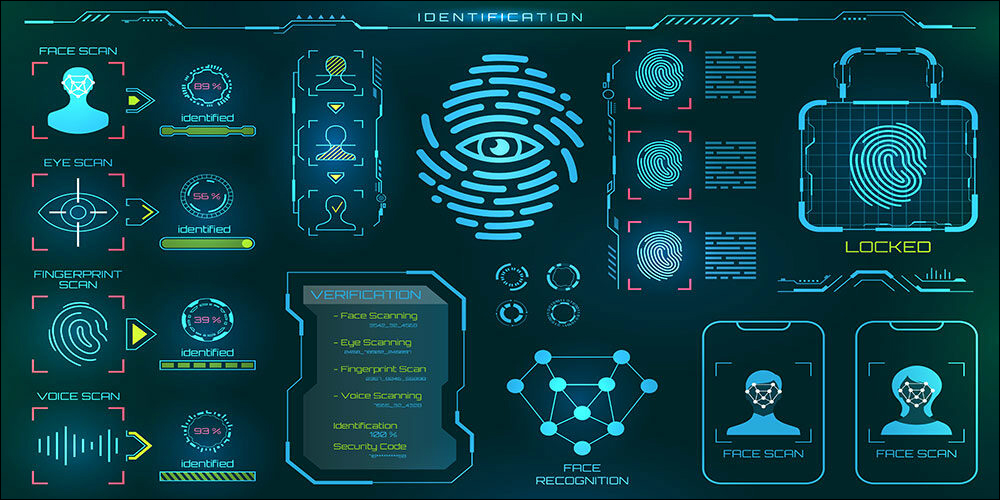
Biometrics can eliminate many legacy devices and connect the campus.
Combine everything with biometrics
There are several ways biometrics can optimize a campus. For example, biometric systems create a centralized database of known identities of students and teachers, each with their own access rights. These identities can be used not only to control access to student accommodation, sports facilities and other locations on campus, but also for time and attendance and human resource management. Another example is the integration of devices capable of carrying biometric data to all access points. Most campuses today have card readers for access control and cameras above the doors to monitor for security threats. A single biometric reader can manage authentication and video surveillance, saving money and space through consolidation.
A healthy choice
Biometrics offers the campus an additional advantage over traditional systems that cannot be overlooked in light of recent events. Since the outbreak of COVID-19, it has become clear that most colleges are completely unprepared for the task of protecting their students from health threats. For locations that already have biometrics, the sting of this devastating situation is greatly reduced. Modern biometrics like facial recognition devices offer touchless access control solutions that effectively eliminate germs from shared touch surfaces. The latest models also offer the possibility of saying
Elegant solutions for end users
Many companies talk about how their solutions can help the people who buy from them, but biometrics itself also benefits the people who use them every day. Unlike card readers, which require credentials that can easily be lost, biometrics allows users to decrypt their credentials. With a swipe of a finger or the presentation of a face, users can walk through the door faster and easier than ever before. From students moving in and out of cafeterias and dormitories to staff managing faculty buildings, everyone will appreciate this convenience.
Fully upgrade all parts of your campus
The positive effects of biometrics are reflected throughout the campus. Below are some of the more useful enforcement points for campus security teams to consider.
- Sports Facilities: Sports facilities are one of the main attractions of the campus. Biometrics can eliminate the need for physical ID cards, not only do athletes need to be transported during training or matches, but they also create boundaries between public spectator spaces and locker rooms for players and coaches.
- Science Centers: University laboratories house some of the most sensitive equipment on campus. Biometrics provides the highest level of security for these areas, including multi-factor authentication that combines facial recognition, fingerprints, PINs and access cards.
- Living on campus: Biometrics can secure dorms 24/7, make life easier for students, and eliminate the need for expensive security services. Visitor access can also be easily managed using these modern systems.
- Meal Services : Biometric verification can ensure that only people who pay for the meal plan can take advantage of its benefits. This alone could save thousands of universities every year.
- Admissions : Admissions departments must make a brilliant first impression on prospective students and their parents. Modern and state-of-the-art biometric devices show their commitment to the latest technologies and security measures that give peace of mind to parents and students. The access of tourist groups or interested individual visitors to the school is also facilitated by biometric devices.
Bring your campus into the 21st century
Biometrika offers a three-pronged solution to address physical security, human resource management, and health security needs simultaneously. With these cutting-edge devices, you can eliminate hundreds of devices and unify your campus under one roof for unmatched security and convenience. If you're looking for the ultimate security and efficiency solution for your campus, biometrics is the only viable option for today's and tomorrow's challenges.
Shiraz Kapadia is CEO and President of Invixium, a biometric access control manufacturer.
Tidak ada komentar untuk "How Biometrics Boosts University Security, Health Safety And Workforce Management"
Posting Komentar