
FIU Wins $19.4M NIH Grant To Fight Health Disparities

Florida International University researchers are on the front lines of ensuring that the health and well-being of low-income people is not overlooked. In 2017, the CRF Public Research Institute received a $13.1 million grant from the National Institutes of Health (NIH) to establish the CRF Center for Institutional Research on Minorities (FIU-RCMI). . in health and education.
Health disparities are differences in health status that negatively affect disadvantaged populations, such as greater likelihood and earlier onset of disease, more risk factors for disease, more symptoms of disease severe and early and/or excessive morbidity and mortality. Diseases with well-documented health disparities include HIV, Alzheimer's disease and cancer. In recognition of FIU-RCMI's outstanding performance and expansion plans, the NIH recently renewed FIU-RCMI with a five-year grant worth $19.4 million, the university's largest award. nowadays.
Eric F. Wagner, FIU-RCMI Principal Investigator and Robert Stempel Professor of Social Work in the College of Public Health and Social Work, noted, “This new grant is timely and essential to increasing the success of community health researchers. FIU in pursuit of competitive correspondence training. . . research support. We are proud to offer a wide range of training and mentorship opportunities that promote scholarship and professional success for graduate students and emerging researchers, especially groups underrepresented in science.
“The goal of our FIU-RCMI Researcher Development Core program is to expand the pool of CRF researchers who will conduct research on health disparities and be in a strong position to receive funding to support their work” , said Dr. Marie Jo. Trepka, executive director and chair of the department of epidemiology at Stempel College. Bashing led four groups throughout the program. He added, "It's great to see them become independent researchers, publish, and receive their first major grant from the NIH." The FIU-RCMI Research Development Center is led by Jason Mitchell, associate professor in the Department of Health Promotion and Disease Prevention at Stempel College.
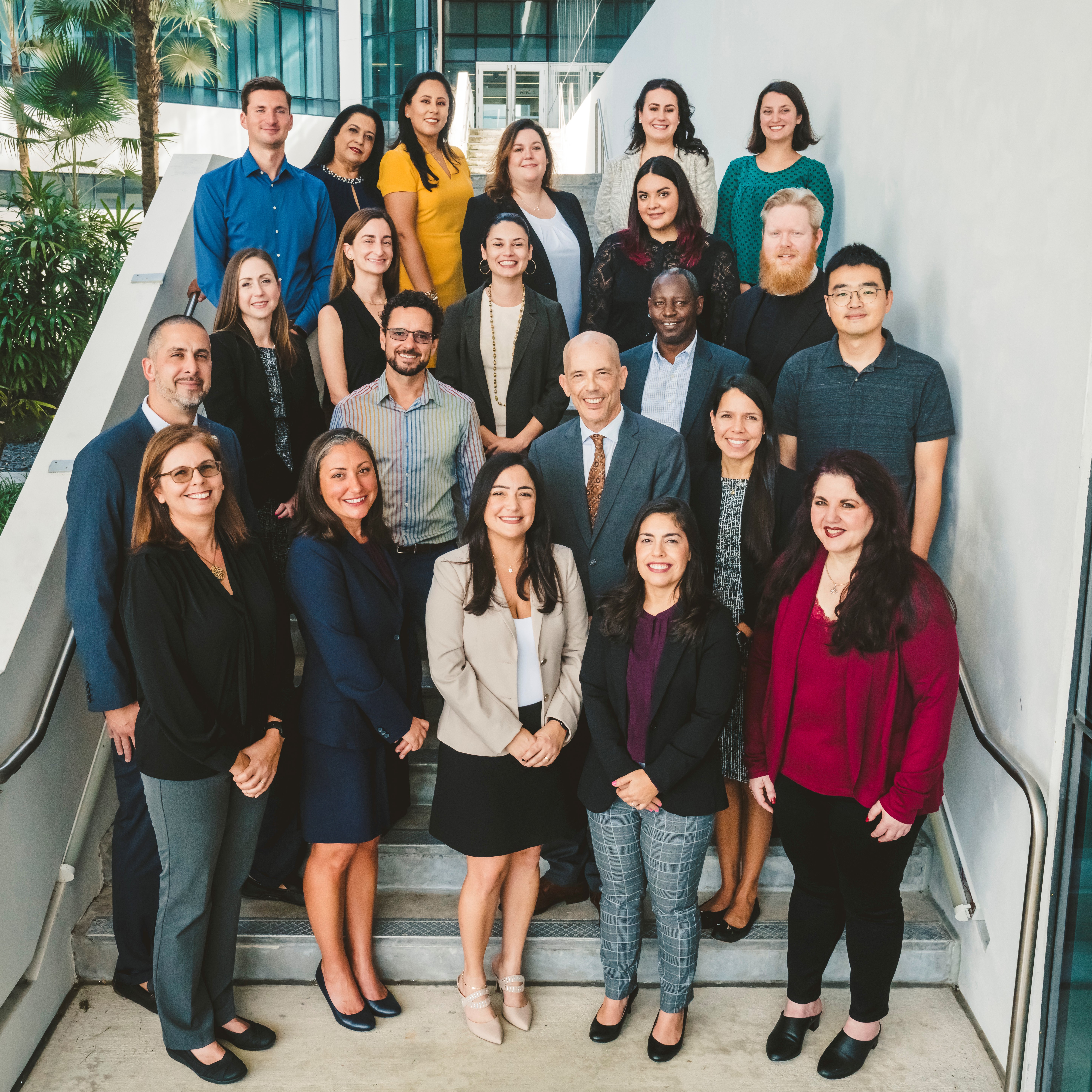
Since its inception, the center has supported and mentored dozens of graduate students, young faculty, and other emerging scholars. Many of them have gone on to distinguished careers, including several senior FIU investigators.
"FIU-RCMI has contributed and will continue to contribute to the extraordinary growth of CRF's health disparities research capacity," said CRF President Kenneth A. Jessell. "Over the past five years, our faculty has demonstrated passion and commitment to work that positively impacts the health of our community and the world."
The three major research projects funded by this new grant are carried out by researchers supervised and trained by the FIU-RCMI.
"This is a research project led by researchers who are underrepresented in science because they are all women and some are self-identified minorities," Wagner said. "They are brilliant researchers who are overcoming historical and systemic barriers to NIH funding and using science to make the world a better place."
This new grant will allow CRF-RCMI to expand its reach to help:
- Break down the differences between HIV and COVID-19 among people living with HIV.
The pandemic has had a significant impact on people living with HIV, leading to disruptions in HIV services and care. Diana Sheehan, associate professor of epidemiology at Stempel College, will extract and interpret data to understand whether the pandemic is exacerbating HIV disparities among minorities. “Our findings will help inform the state of Florida about the social and structural barriers that need to be overcome to prevent disparities from worsening during the COVID-19 era and beyond,” Sheehan said.
- Examination of microbiome, sleep, and cognitive profiles in middle-aged Hispanics.
The Hispanic population is disproportionately affected by sleep-related health issues and is 1.5 times more likely to develop dementia, including Alzheimer's disease. The study, funded by the National Institutes of Health and led by Shanna Burke, associate professor of social work at Stempel College, and Sabrina Sales Martinez, associate professor of dietetics and nutrition at Stempel College, will be one of the first of its kind. . . microbiota, metabolism, sleep, stress and cognitive performance to identify early risk factors for Alzheimer's disease related to gut health. Burke and Sales Martinez share that their findings "could lead to interventions targeting risk factors associated with the development and progression of Alzheimer's disease." - Close the cancer disparity between Hispanic and Black children in Miami.
Diana Azzam, a professor of environmental science at Stempel College, set out to find a drug that could help improve the health of minority children with cancer. Azzam said these young patients typically have limited access to clinical trials and precision drug therapy that could save their lives. Azzam's lab conducts research to identify a minority of specific biomarkers that can be targeted by FDA-approved drugs. "Our data shows that these populations have different genomics and respond differently to drugs," Azzam said.
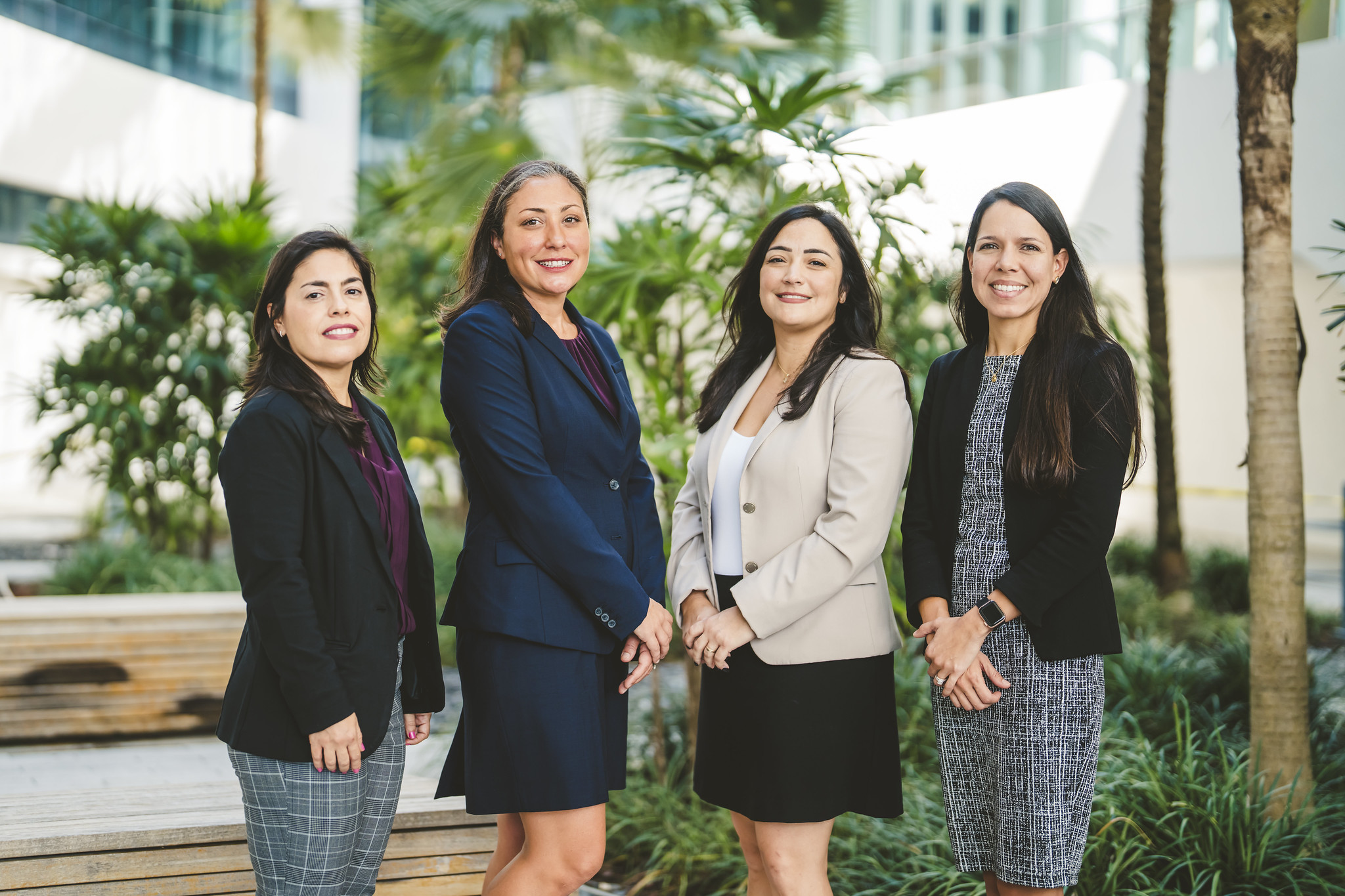
Expand opportunities for research support
CRF-RCMI's core research facilities aim to provide scalable and sustainable research resources and support to help underrepresented early career researchers. Zoran Bursac, CRF's senior director and president of biostatistics, notes that Core's primary goal is to "provide infrastructure support and ensure underrepresented researchers are connected to resources from the start, including advice and training in modern quantitative, qualitative and mixed areas. method." approach to developing pilot proposals, conducting, analyzing and publishing K&R data, and bidding. RPF-RCMI's core research capacity includes Michael Anastorio, associate professor of health promotion and disease prevention at Stempel College , and Melissa Ward, associate professor of epidemiology at Stempel College.
Recruitment of additional teachers with disabilities
Recruitment Core RCMI-RCMI is responsible for recruiting at least three recognized health disparities researchers from academically underrepresented communities to enhance research, education, and public engagement on health disparities issues. Stempel College Chancellor and Dean Thomas R. Gilarte specifically thanked the university for its support of this recruitment initiative, which will include "a national search to recruit three scholars with externally funded research programs related to health disparities and health equity". Join the PFR faculty and contribute to the research mission of our center. The FIU-RCMI recruiting center was run by Burke and Sales Martinez.
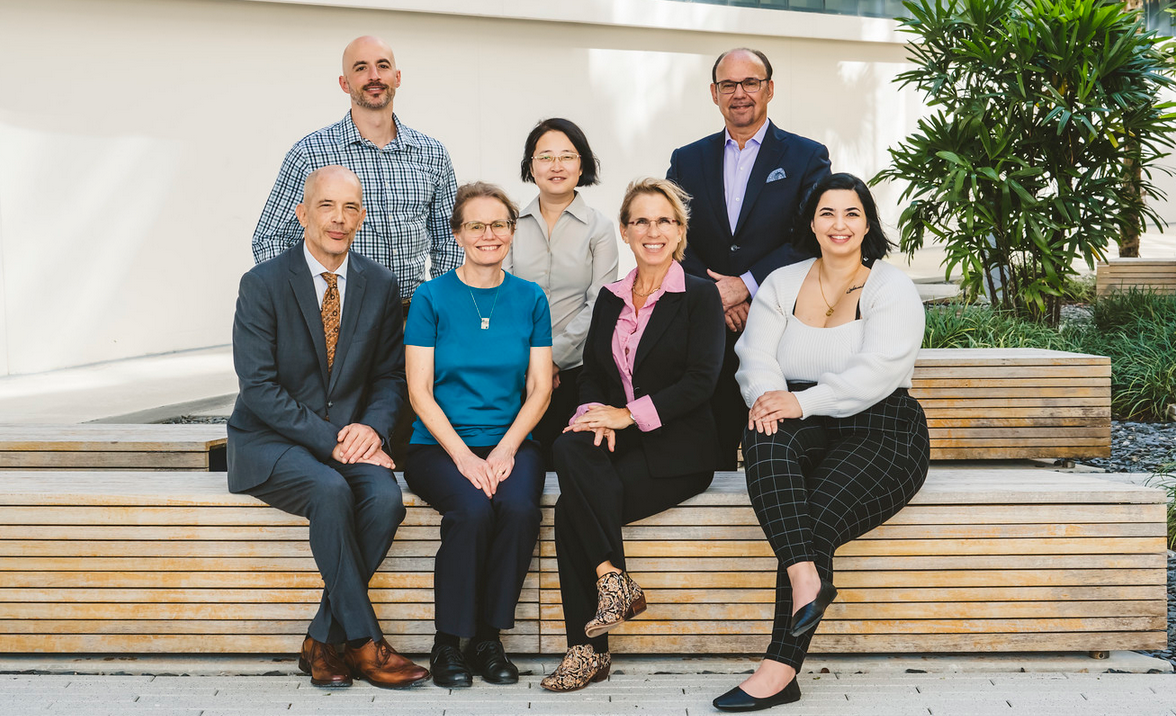
Impact on society
CRF-RCMI faculty also work closely with community organizations with limited resources to increase research capacity. "We continue to receive large-scale grants in partnership with them, and they continue to receive grants independently, demonstrating the mutual benefits of our community and university research partnership," Wagner said.
The center also works with community organizations to deliver important health information to underserved communities. For example, CRF-RCMI received additional funding from the NIH to address health disparities caused by COVID-19 affecting minority communities in South Florida. Last year, CRF-RCMI, along with community partners, invited South Florida's majority Black, Hispanic, and Haitian Creole residents to seven virtual COVID-19 meetings. The CRF-RCMI brings together health and medical professionals to present the latest scientific information on prevention and vaccination against COVID-19 and to answer questions from the public about the pandemic.
"Town halls help undecided people and need an opportunity to hear more information than people they trust," said Michelle Spital, director of the FIU-RCMI Center for Public Engagement and associate professor of biostatistics. at Stempel College. "Our community partners have been instrumental in helping us connect with these people." The PFR-RCMI Center for Community Engagement is led by Melissa Howard, associate professor in the Department of Health Promotion and Disease Prevention at Stempel College.
The FIU-RCMI team consists of 25 FIU faculty from various disciplines and currently holds 78 different faculty, staff and student positions. While most faculty are from Stempel College, the team includes researchers from Herbert Wertheim College of Medicine, Nicole Wertheim College of Medicine and Health Sciences, and FIU College of Arts, Sciences and Education.
Tidak ada komentar untuk "FIU Wins $19.4M NIH Grant To Fight Health Disparities"
Posting Komentar