
Racial Wealth Gaps Will Not Go Away On Their Own
In the past two decades, there have been many discussions about the celebration and celebration of diversity among young people, first millennials and then generation Z. Young, to celebrate different generations, can take the dream area that young people will solve all problems. The problems of our country with its diversity. It is too much on the shoulders of the generations that did not create these problems.
Now don't get me wrong. I know the value of diversity and I strongly believe in the power of youth, which is why I am the CEO of an organization dedicated to amplifying youth voices in the political process. Systemic racial gaps in wealth, income, and opportunity did not arise on their own, they are the result of decades of deliberate political choices, and they will not disappear because of the diversity of today's youth.
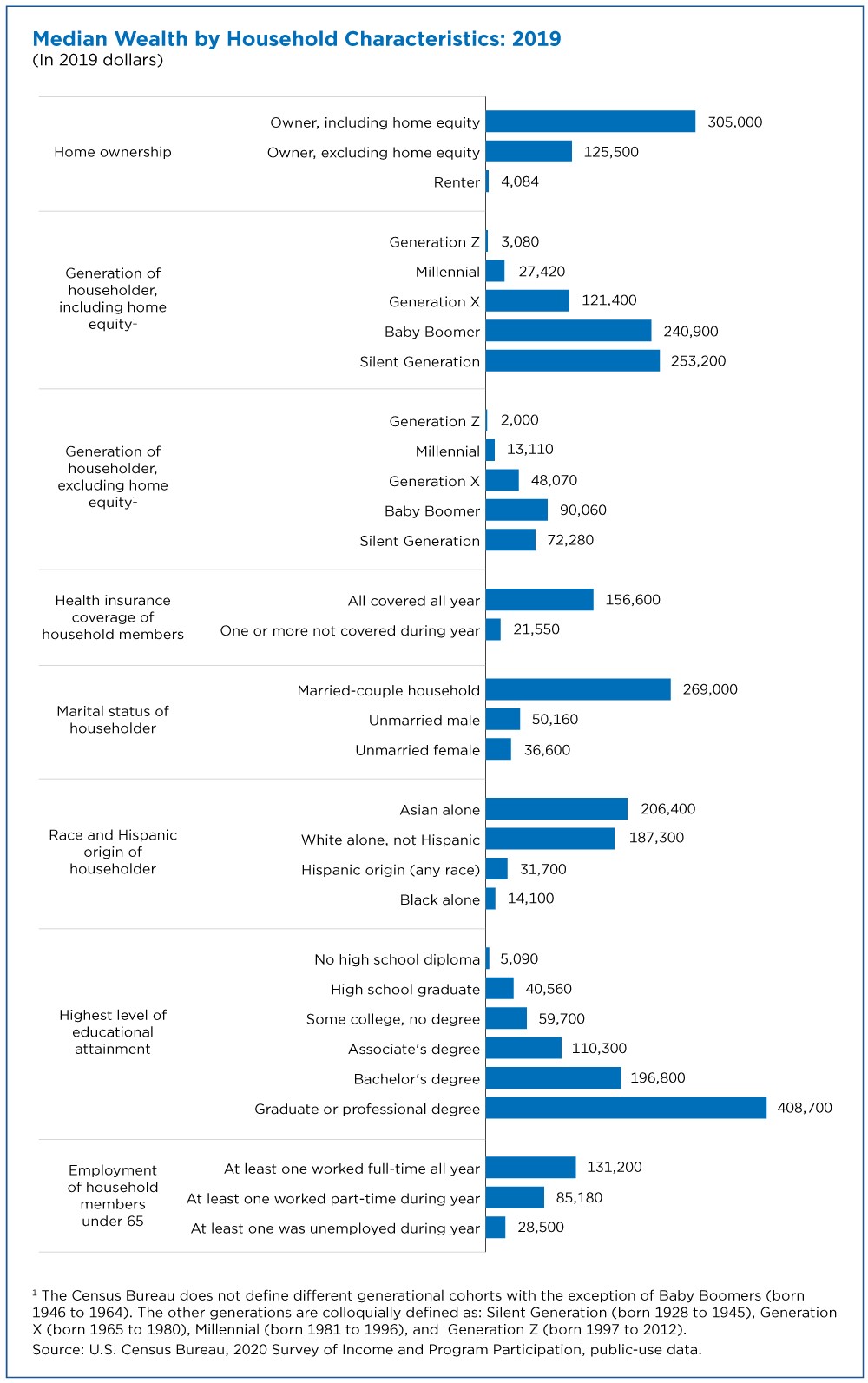
For example: Young Invincibles recently released a new report, "The Financial Health of Young America," which found that the racial wealth gap among young people is not improving. In most cases it gets worse. This is supported by the Federal Reserve's 2021 report showing that the wealth gap between white and black, Hispanic or Hispanic families has widened over the past few decades.
The Young Invincibles report looked at the economic realities of young adults between the ages of 18 and 34 across a range of measures: income, employment, home ownership, retirement savings and student debt. Overall, white youth fared significantly better than their black and Hispanic peers. Sometimes the differences were great.
The report shows that the average net worth of young white families in 2019 was about $46,000 higher than the average net worth of black families of the same age. In 2019, white youth were twice as likely to receive a retirement savings plan as black or Hispanic youth. Most of these indicators have gone in the wrong direction. According to the same report, "In 2001, white youth were 11 percentage points more likely to own a home than black youth. In 2019, this difference increased to 36 percentage points." The Federal Reserve conducted its own survey which found that black wealth is less than 15% of white wealth.
All these indicators reflect a very mixed financial reality in the run-up to the Covid-19 pandemic. The collective traumas of this crisis have affected almost everyone, but not equally. White youth were the least likely to be unemployed in the early days of the pandemic, behind blacks, Hispanics and Asians. According to a Young Invincibles report, this led to food insecurity and increased instability for young people of color, who were more likely to report missing or overdue housing payments.
More than two years after the start of the pandemic, high unemployment rates have fallen to their highest levels since the 1980s. Young people striving to live paycheck to paycheck have been hit particularly hard. While Congress and the Biden administration have taken bold steps to mitigate the worst economic effects, we know people are still suffering, based in part on a report showing that nearly half of Americans surveyed expect their debt will rise in response to inflation.
Our report contains a number of concrete recommendations to begin closing racial wealth gaps. There are some ways that policymakers can address these issues, such as raising the minimum wage, reforming the credit rating system, and expanding tax credits to help young people. While President Biden's recent announcement to cancel student debt for most borrowers is a positive step in the right direction, it may not be the end of the measure to make college an affordable reality for everyone.
Although legislative change is slow, private sector workers can now make changes to help young people achieve financial stability and bridge these racial disparities. Employers can and should pay a living wage to workers of all ages. When hiring, be careful to hire diverse candidates and consider offering student loan repayment benefits to make your business more attractive to those in debt. And make sure qualified candidates aren't excluded from your hiring pool by applications that require a criminal background check or use a credit check as a job verification.
The persistence of the racial wealth gap among today's diverse youth should be a wake-up call for policymakers and employers. We can't just sit back and hope for the best. time to move on!
Tidak ada komentar untuk "Racial Wealth Gaps Will Not Go Away On Their Own"
Posting Komentar